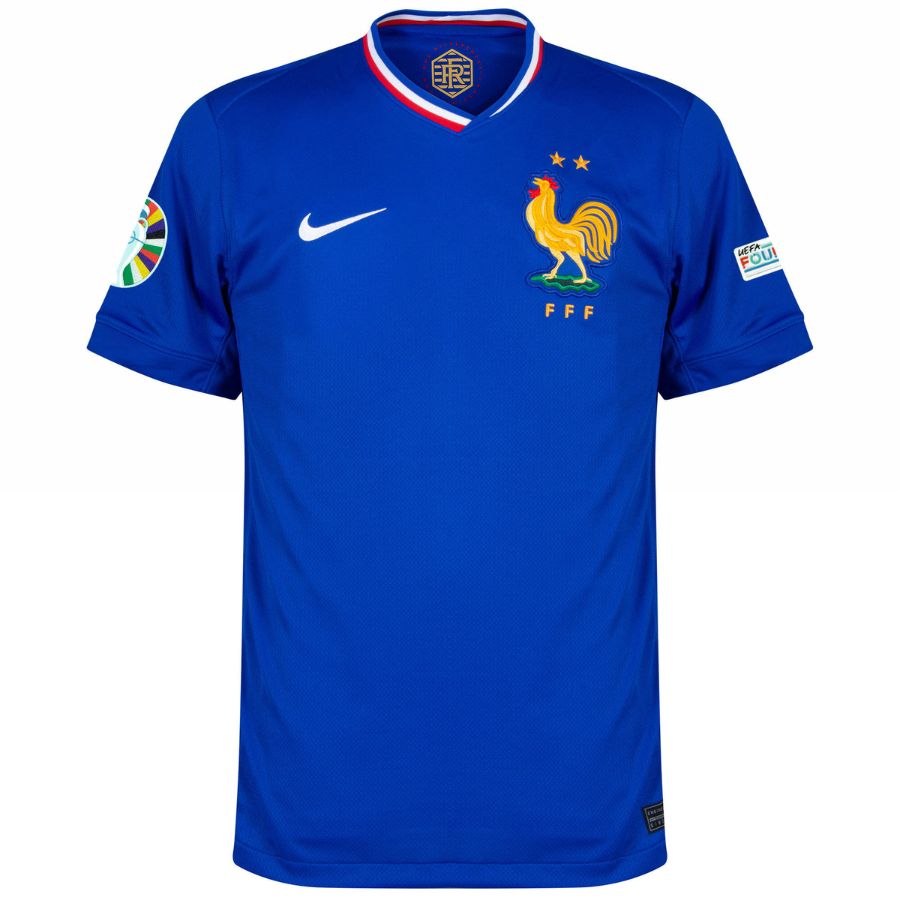
Football, as a sporting activity has a long history, but one of its most significant aspects of its past is in the numbers worn by players out on the pitch. These numbers are not just identifyrs, they are also a representation of roles, positions, and even the development of the game in itself. In the course of time, numbers for players are no longer merely a system of identification to becoming a representation of the player's worth to the game, their style, and even their legacy in the game. Today football jerseys like Jersey France 2025, kit France 2024-2025, Jersey France 2025 and Shirt France 2025 carry on this tradition with numbers playing a critical influence on how we see and comprehend the game.
The Early Days: Numbers and Their Origins
The usage to put numbers on football shirts dates back to the early 20th century. Before the introduction of numbers, players often wore the same shirts of similar colors and the way they were identified was depending on their position and function. The first known use of numbers was in 1928 at the game between Arsenal against Sheffield United in England. This change was driven by the increasing need for clarity in football games, as the sport grew in popularity.
Initially, numbers were applied randomly however, as the game progressed, the numbers were able to correspond with specific play positions. The numbers were mainly assigned depending on the roles of the players, and the most common system was a format of 1-11 with the first number being reserved for the goalkeeper while the numbers 2 through 4 for defensive players and numbers 7 to 11 for wingers and forwards.
The Significance of Numbers: From Positions to Personalities
As the game developed, was the role and figures on the field. Each number was a symbol of a specific position and style of play.
- Number 1: A goalkeeper's reserve, the last line of defense. His job is to stop the opposition team from scoring.
- The numbers 2-6 The numbers 2-6 were used by defensive players which means that number 2 is usually assigned towards the right-back. 3 to the left-back, and 4-6 to center-backs or full-backs, according to the formation.
- The numbers are 7-11 7-11: These numbers were traditionally worn by attackers and midfielders. Seven and 11 typically reserved for wingers, while 10 was reserved for the top central forward or the playmaker.
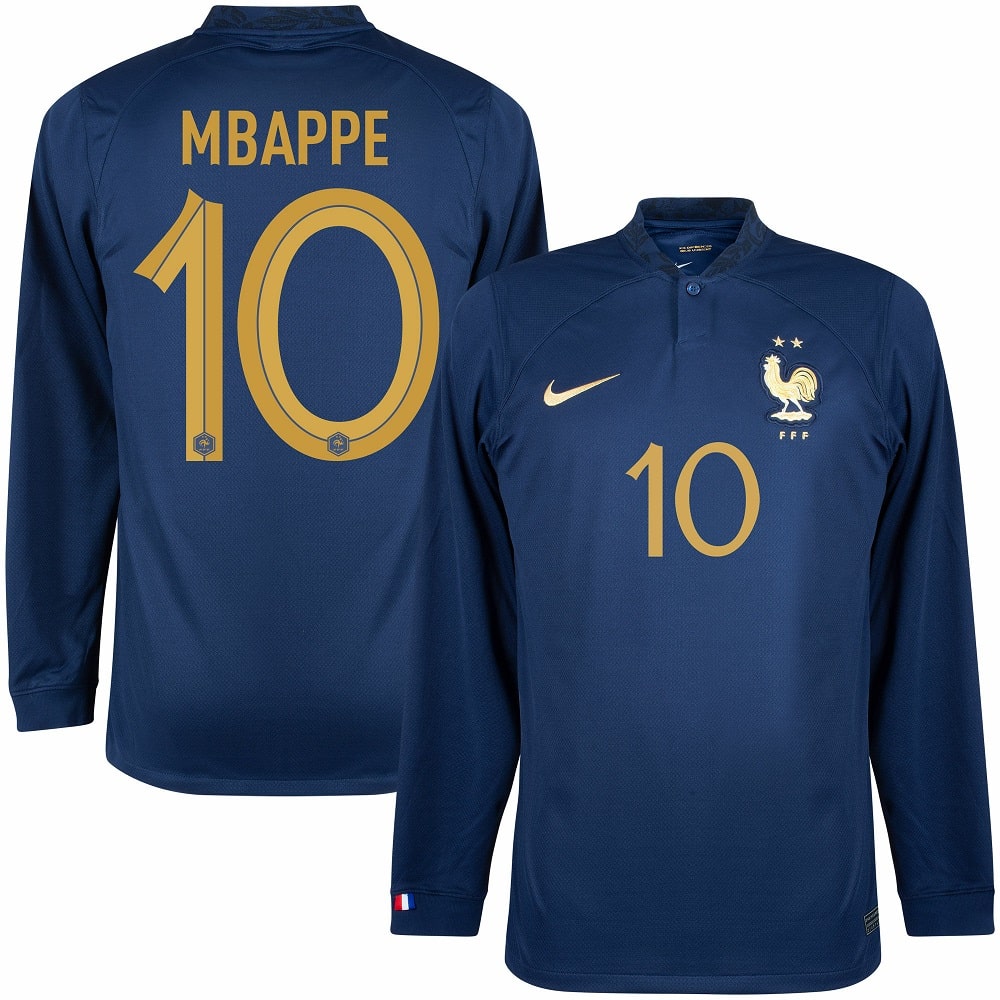
- #10: Perhaps the most iconic number in football The number 10 has always been associated with the team's most influential and talented player. Legends like Pele, Diego Maradona, and Lionel Messi have worn this number, symbolizing their pivotal function on the field.
However, over time, the football formations and tactics evolved, so did the roles associated with these numbers. In the present, players are able to wear whatever number they want, often regardless of their location within the playing field. For example, a defender may wear number 9 while a forward may sport number 4, indicating the fluidity and flexibility of modern football.
The Evolution of Football Jerseys: France's Iconic Kits
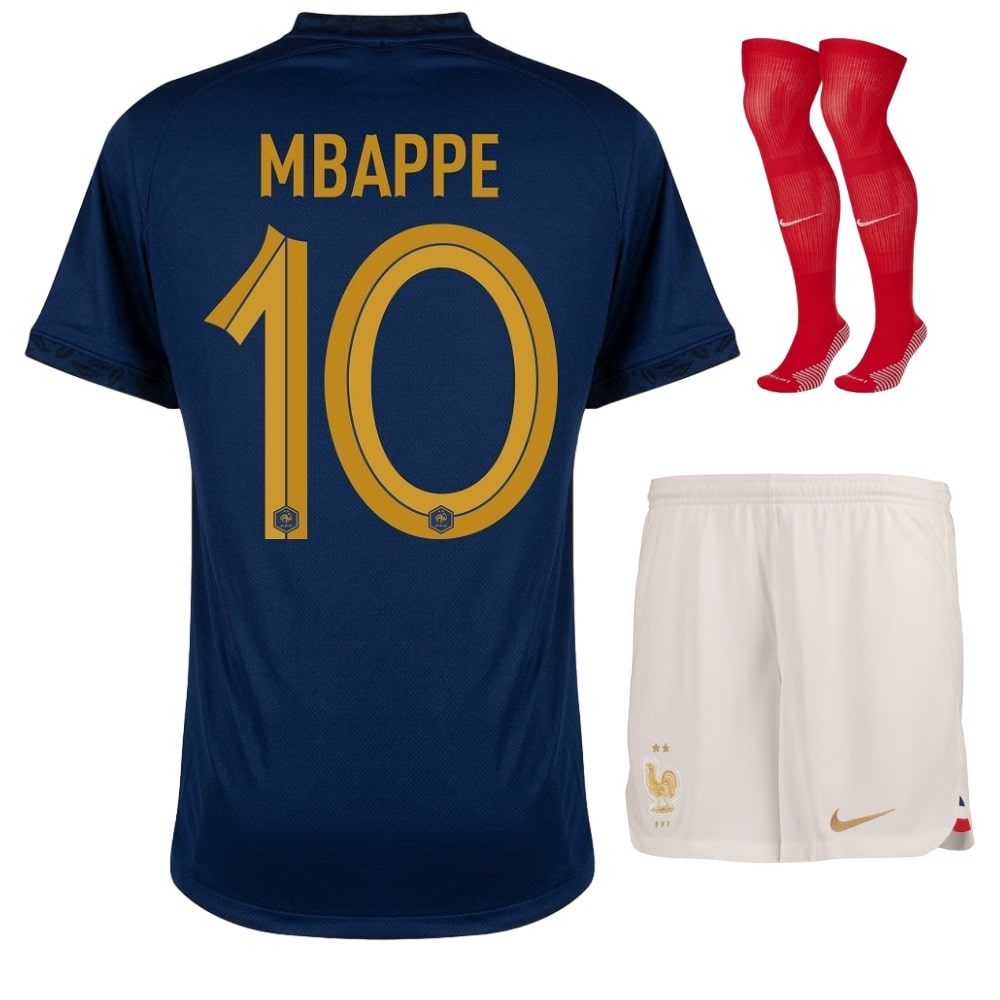
Football jerseys are more than simply functional equipment; they constitute a significant component of a team's character and the Shirt France 2025 history of. Its kits France 2024-2025, Jersey France 2025 and Shirt France 2025 illustrate how player numbers integrate into modern soccer design, blending tradition with contemporary design.
Kit France 2024-2025
The Kit France 2024-2025 incorporates modern design elements along with the nation's renowned blue shade, which reflects France's long-standing football tradition. The kit also incorporates the distinctive numbers that are integral to French football culture every number worn by players indicating their importance and roles in the team.
Jersey France 2025
The Jersey France 2025 features cutting-edge materials and technology to provide comfort and performance. While the number system remains unchanged, the design displays how football kits are continually evolving, with numbers often being prominently displayed so that players are more easily identified. This jersey is expected to be worn by athletes such as Kylian Mbappe and Ayoze Griezmann, who's individual actions are the determinant of their numbers.
Shirt France 2025
The shirt France 2025 is a symbol of the future of French football. Since the game is becoming more fluid as it becomes more competitive, the numbers displayed on the shirts will be of significance, even as players switch positions or break with tradition. The French national team's shirt remains a strong symbol of the nation's distinctiveness, with each number representing a history of the great players who wore these shirts during the previous.
Changing Trends: Customization and the Rise of Personal Numbers
In recent years, the concept of custom numbers and design-specific for each player has become more prominent. With the rise of individualism and creativity in football, players can now pick specific numbers that reflect their favourite players as well as their personal significance. This trend has led the rise of personalized apparel and jerseys. supporters can include their personal name or number to the back of their shirt, which reflects their relationship towards the group.
Furthermore, the launch of the shirt France 2025 and other designs is a sign of how numbers continue to evolve in the sport, with players wearing numbers with a different look. For instance, players such as Neymar have wore number 11 despite being forwards, while numbers such as 7 and 10 are worn by players who don't always fit the normal roles.
Why Player Numbers Still Matter Today
Despite the ever-changing nature of modern football, the tradition of player counts remains important as ever. Here are a few explanations why numbers matter to players:
- Tradition and Identity Certain numbers will always be linked to